
Articles and reflections
Practical philosophy, mindfulness and AI applied to daily life
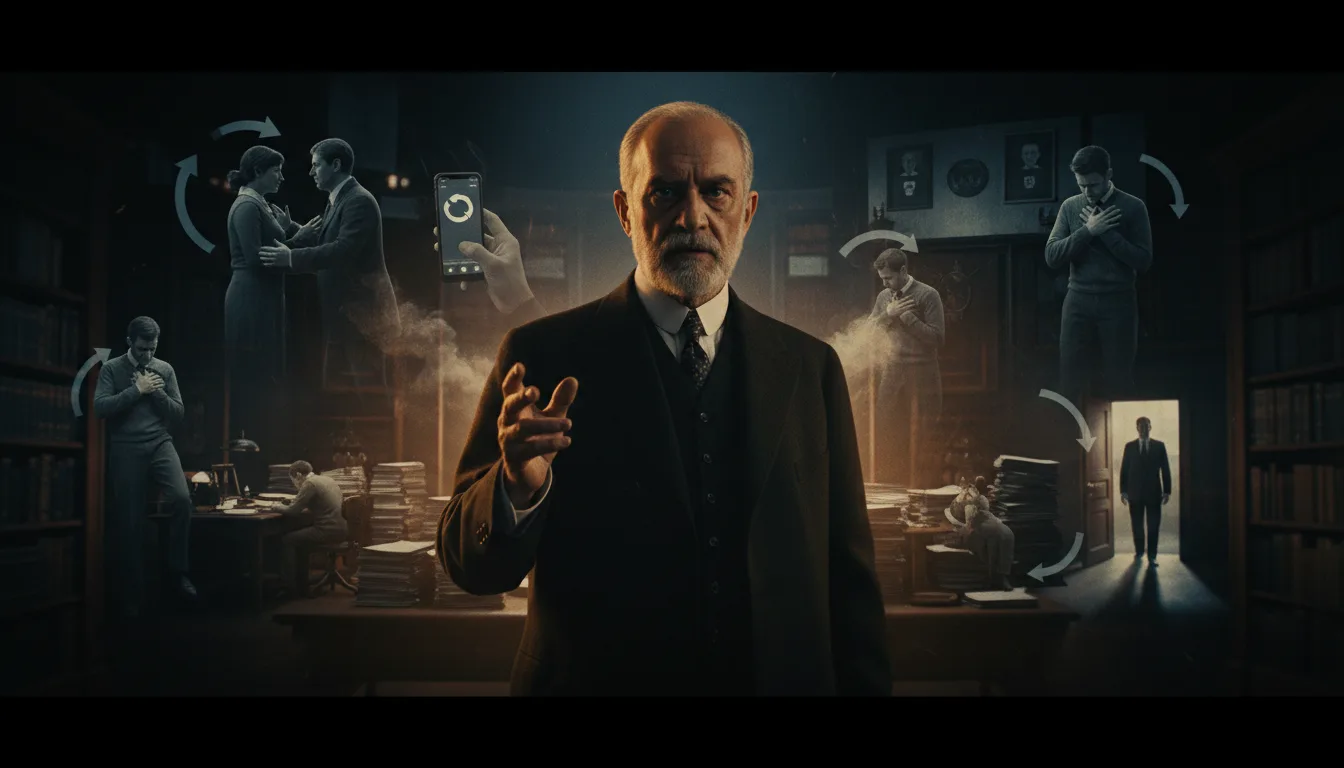
Sigmund Freud: A theory of the death drive — why we return to what hurts us
Not everything that destroys us looks like destruction. Sometimes it arrives disguised as responsibility, prudence, loyalty or sacrifice. Until one day we discover that what we thought we were holding together was consuming us.
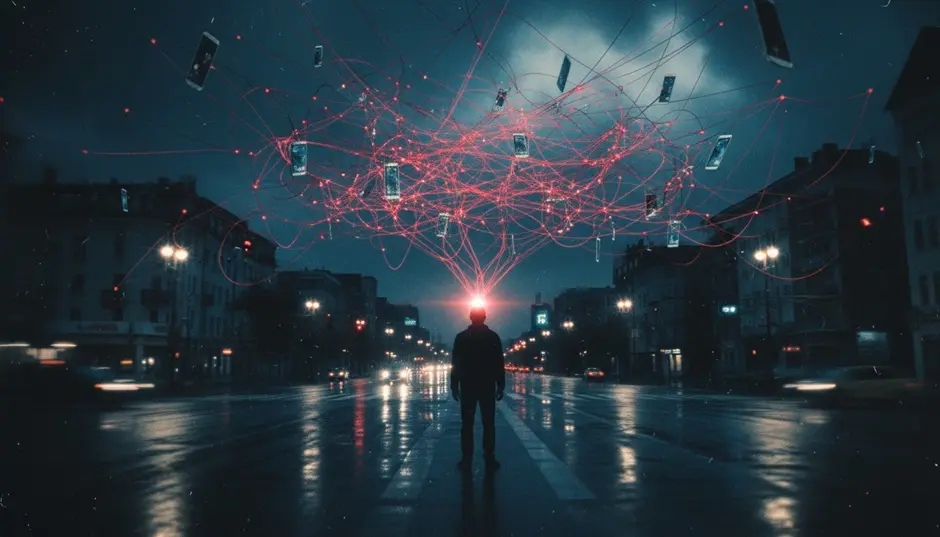
When Coincidence Insists: Jung, Synchronicity and the Uncomfortable Mirror of AI
There are times when the unexpected doesn't come alone, but chained together. It's not one rare fact. It's several. And in that sequence, something very specific happens: you're not just surprised by what happens, but by how it happens.
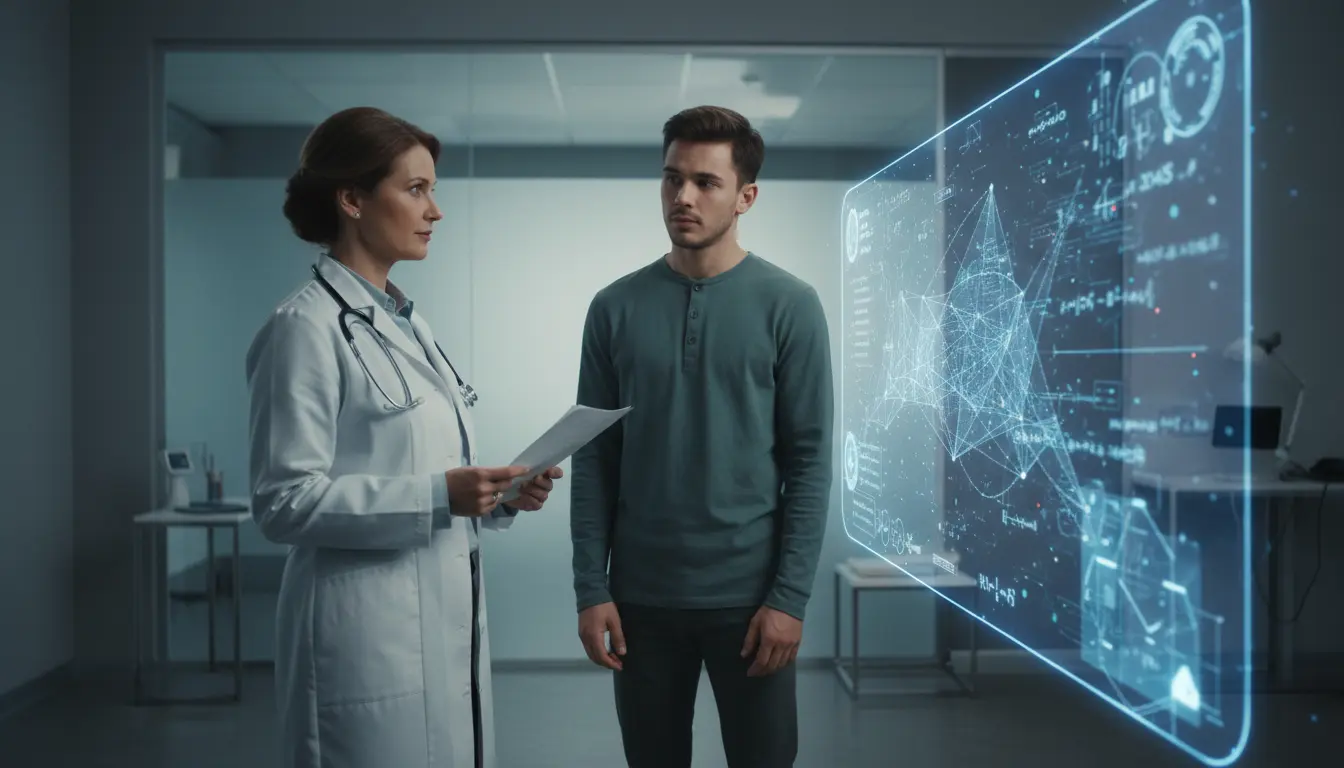
Artificial Intelligence and Health: Necessary Advance or Dangerous Line?
With ChatGPT Health, AI left behind comfortable territories to dive into one of the most sensitive areas: human health. We're no longer talking about optimizing processes, but about coming into direct contact with people's vulnerability.
Carrots, Eggs and Coffee. A Reflection I Need to Make
I don't pretend to teach lessons or give universal advice, but to share a perspective that, at least for me, has helped to organize thoughts in moments of considerable noise.
GPT-5.2 and Spirituality
I don't want to contribute to the typical misunderstanding of this era: confusing a convincing text with an inner truth. GPT-5.2 seems to me a powerful tool for studying and organizing, but I don't confuse it with discernment.
Decide Better Here and Now
For a long time I made decisions without being aware that I was doing so. We don't decide poorly due to lack of information, but due to excess noise. External noise, internal noise and, above all, mental noise.
Today I Finally Present My Book: Now is Tomorrow
For a long time, I had the feeling that my life had become an underground current that never stopped accelerating. That inner murmur led me to write a book born to open spaces, breathe, and honestly look at the era we've been given to live in.
What would Carl Jung think about artificial intelligence?
Jung died long before the world began to intuit anything even remotely similar to what we now call AI. And yet, something in me feels that his work contains surprisingly current keys, almost prophetic, that fit mysteriously into this technological age.
Stop This World, I'm Getting Off. I Trust AI More.
There are mornings when I wake up with a certainty I didn't ask for: this world is moving too fast, without clear direction, without pause. And then an idea emerges that at first made me ashamed to admit: I trust a well-trained AI more than some of the human beings who govern this planet.
When every AI giant pulls in a different direction... and I just want to know which one to use
AI giants compete relentlessly, launching innovations like fireworks. Between GPT, Claude and Perplexity, each shines in its own territory, but something essential is missing: an honest guide that tells us when to use each tool.
Comet: Intimate Diary of an Integration between AI and Spirituality
Comet, the desktop AI browser, transformed my contemplative practice. Transparency, rigor and conscious limitations that turn each search into an act of spiritual discernment.
The Three Fingers Pointing at You
There is a brief but certain instant when the index finger shoots out toward another. A reflex gesture, as ancient as the species, seeking to make clear who is right and who is wrong. But that same instant contains a barely visible paradox: while one finger points outward, three more fingers return toward the one accusing.
The New Fool of the 21st Century
The word imbecile comes from the Latin in-baculum: without one's own cane. Originally it was not an insult, but a compassionate description of someone who needed support to stand. Today, the cane is no longer made of wood: it's silicon, algorithms, screens that think for us.
Calm and Clarity in the Face of Uncertainty
We live in times of accelerated transformation. Artificial intelligence advances at a pace that challenges our capacity for adaptation.
Sisyphus and the Eternal Repetition
Sisyphus pushes a rock to the top of a mountain, only to watch it roll back down to the valley.
The Two Arrows of Suffering
The Buddha taught that when an arrow hits us, pain is inevitable. But we stick a second one in ourselves.
Confucius, Stoicism and New Technologies: Learning in a Non-Stop World
Confucius left us a lesson 2,500 years ago: 'Involve me and I will learn.' The Stoics reaffirmed it in Rome. Today, in the age of AI and digital technologies, this teaching makes more sense than ever.
The Transformative Power of Compassion
True compassion is not condescension or moral superiority: it is connection from equality, understanding without judgment, action without imposition.
Wu Wei: The Art of Not Forcing
In Taoism there exists a fascinating concept: Wu Wei, which literally means 'non-action' or 'effortless action'.
Stoicism in the Age of AI: Serenity, Judgment, and Action
Stoicism isn't intellectual posturing; it's a working tool. Among screens and algorithms, my peace and decisions depend on me. AI helps me think, but I provide the judgment.
📬 Receive new articles every week
We publish new content every week. Subscribe to the newsletter so you don't miss any article.